Coins & their meaning
Meaning and Tradition of Coins Left at Veteran Memorials
Leaving coins on a veteran’s grave or memorial is a long‑standing symbolic tradition that expresses respect, remembrance, and a personal connection to the fallen service member.
Origins
The practice dates back centuries — from ancient Greece and Rome, where coins (called Charon’s obol) were placed in the mouth or eyes of the dead as payment to the ferryman Charon for safe passage to the afterlife. In the U.S., the custom became widely recognized during the Vietnam War as a discreet, non‑political way to honor a fallen soldier and let their family know someone had visited.
What the Coins Mean
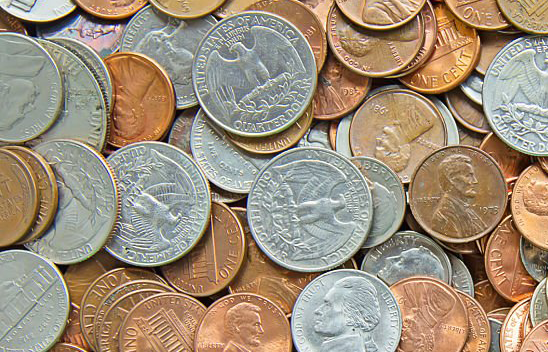
While not official military policy, a widely accepted tradition assigns meaning to each denomination:
- Penny – Someone visited the grave and paid respects (most common).
- Nickel – The visitor trained at boot camp with the veteran.
- Dime – The visitor served alongside the veteran in some capacity.
- Quarter – The visitor was present when the veteran died — the most personal tribute.
- Challenge coins - are also left as a sign of deep respect and camaraderie.
What Happens to the Coins
At the Nebraska Vietnam Veterans Memorial, staff collect the coins periodically. These are typically used for:
- Maintaining Memorial grounds.
- Other everyday operational costs such as flag repair or replacement.
This ensures the coins, while symbolic, also support the care of the memorial site and the veterans it honors.
Etiquette
Do not take coins — they are a lasting tribute. Coins are usually placed on or near various Memorial features or in a designated spot. If you wish to honor a veteran, you may leave a penny or other coin as a respectful gesture.
In short: Coins left at veteran memorials are a quiet, powerful way to say “I was here, and I remember,” with each denomination marking a personal connection. They are both a tribute to the fallen and a contribution to the upkeep of the memorial.